
Ski Home Realty
Meghan Buckley
Vermont has long been known for its scenic landscapes, charming small towns, and strong sense of community. Today, however, the Vermont real estate market is attracting attention for another reason: growing investment opportunities.
Investors are finding opportunities across residential properties, multifamily housing, vacation rentals, mixed-use properties, and redevelopment projects as housing shortages, economic shifts, tourism, and changing buyer preferences reshape the market.
Unlike larger metropolitan markets where rapid appreciation often dominates, Vermont tends to reward investors who focus on long-term fundamentals. Limited housing inventory, consistent rental demand, strong tourism, and growing interest in smaller communities are creating opportunities for a variety of Vermont real estate investment strategies.
Whether you're purchasing your first rental property, expanding a multifamily portfolio, or exploring a vacation rental, understanding current Vermont real estate trends can help you make more informed investment decisions.
Here are four trends Vermont real estate investors should be watching.
1. Limited Housing Inventory Continues to Support Property Values
One of the defining characteristics of the Vermont housing market remains a shortage of available homes. While inventory has improved from the extreme lows seen during the pandemic, many communities still have fewer homes for sale than buyers would prefer.
This supply-and-demand imbalance can create several advantages for real estate investors, including:
-
Resilient property values
-
Consistent tenant demand
-
Lower vacancy risk in many markets
-
Potential for long-term appreciation
Communities surrounding Burlington, as well as desirable towns throughout Central and Southern Vermont, continue to attract buyers seeking primary residences, second homes, and investment properties.
Rental Demand Remains Strong
Limited housing inventory also affects Vermont's rental market. Higher mortgage rates and affordability challenges have caused some would-be buyers to remain renters longer, helping sustain demand for rental properties.
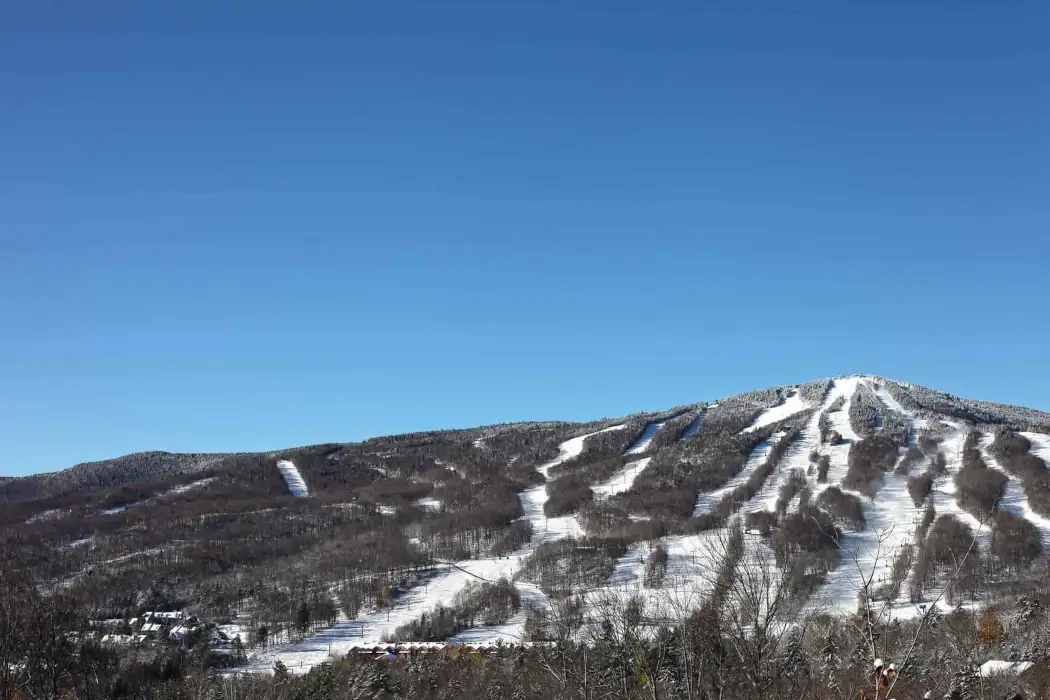
This is particularly noticeable in Vermont ski resort communities, where housing demand comes from both year-round residents and seasonal workers.
For landlords, strong rental demand can create opportunities for stable occupancy, competitive rents, and long-term property appreciation. Investors should focus on areas with steady employment, healthcare, higher education, or year-round tourism.
2. Smaller Vermont Communities Are Attracting More Investment
While Burlington remains Vermont's largest economic hub, investors are increasingly looking beyond the state's largest city.
Communities throughout Central and Southern Vermont are benefiting from changing lifestyle preferences, remote work flexibility, outdoor recreation, and continued demand for small-town living.
Remote Work Changed Location Preferences
Remote and hybrid work have allowed many professionals to live farther from major employment centers. Buyers and renters are increasingly looking for communities that offer:
-
Outdoor recreation
-
Walkable downtowns
-
Historic character
-
Lower population density
-
Quality of life
This has increased interest in smaller Vermont communities that may previously have received less attention from investors.
Smaller Markets Can Offer Investment Opportunities
For some investors, smaller Vermont markets may provide opportunities that are harder to find in highly competitive urban areas.
Potential advantages include:
-
Lower acquisition costs
-
Less competition
-
Attractive capitalization rates
-
Value-add renovation opportunities
-
Community revitalization projects
Of course, every market should be evaluated individually. Employment trends, population stability, infrastructure, zoning regulations, and economic development all play an important role in determining long-term investment potential.
3. Vacation Rentals Continue to Benefit From Vermont Tourism
Tourism remains one of Vermont's strongest economic drivers and an important factor in the state's vacation rental market.
From skiing and snowboarding to hiking, mountain biking, lake vacations, festivals, and fall foliage, visitors travel to Vermont throughout the year. This creates opportunities for investors interested in short-term rentals, particularly in popular resort and destination communities.
Vermont Offers Four Seasons of Tourism
Vermont's tourism economy benefits from multiple travel seasons:
Winter: Skiing, snowboarding, snowmobiling, holidays, and winter getaways.
Spring: Hiking, outdoor recreation, and seasonal travel.
Summer: Lake vacations, festivals, biking, hiking, and family travel.
Fall: Foliage tourism, one of Vermont's most recognizable and popular travel seasons.
This year-round demand can help reduce the seasonality that affects some vacation rental markets.
Vacation Rental Features Matter
Today's travelers often look for unique experiences rather than simply a place to stay. Properties with features such as mountain views, village locations, hot tubs, outdoor gathering areas, historic character, pet-friendly accommodations, and reliable high-speed internet can command greater interest.
Investors should also carefully research Vermont short-term rental regulations, including local permitting, taxes, and operating requirements, as rules can vary significantly between municipalities.
4. Value-Add and Renovation Opportunities Are Becoming More Attractive
Vermont has a large inventory of older homes and buildings. While these properties can require additional maintenance, they can also provide opportunities for investors to create value through strategic improvements.
Common renovation projects include:
-
Kitchen and bathroom updates
-
Energy-efficiency improvements
-
Roofing and exterior repairs
-
Modern heating systems
-
Interior renovations
-
Converting unused space into additional living areas
A well-planned renovation can increase rental income, improve resale value, and make a property more competitive in the Vermont real estate market.
Energy Efficiency Is an Increasingly Important Investment Factor
Energy efficiency is particularly important in Vermont's climate. Improvements such as insulation, efficient windows, heat pumps, and upgraded heating systems can reduce operating costs while improving a property's appeal to buyers and renters.
For investors, incorporating energy improvements into a renovation plan may provide both immediate and long-term benefits.
What Vermont Real Estate Investors Should Watch
While every real estate cycle brings uncertainty, several characteristics continue to make Vermont attractive to investors:
-
Limited housing supply
-
Consistent rental demand
-
Strong tourism
-
Stable communities
-
Long-term appreciation potential
-
Residential and vacation rental opportunities
-
Value-add investment potential
At the same time, investors should pay close attention to mortgage rates, construction costs, insurance premiums, property taxes, and local regulations.
Statewide statistics only tell part of the story. Local Vermont real estate markets can perform very differently from one another, making community-level research especially important.
Building a Successful Vermont Real Estate Investment Strategy
There is no single strategy that works for every investor.
Some investors prioritize cash flow through long-term rental properties. Others focus on appreciation by renovating older homes or purchasing properties in emerging communities. Others may build diversified portfolios that include traditional residential properties, multifamily investments, and vacation rentals.
Before purchasing an investment property, carefully evaluate:
-
Local rental demand
-
Property taxes
-
Insurance costs
-
Maintenance requirements
-
Municipal regulations
-
Financing options
-
Vacancy trends
-
Tourism activity
-
Long-term economic development
Careful due diligence is essential to building a successful Vermont real estate investment strategy.
Final Thoughts on Vermont Real Estate Investment
The Vermont real estate market continues to evolve, but several trends stand out. Limited housing inventory continues supporting property values, smaller communities are attracting increased attention, tourism is creating opportunities for vacation rental investors, and value-add renovations can provide a path to building equity.
While no investment is without risk, Vermont offers a compelling combination of lifestyle appeal, limited housing supply, tourism, and long-term demand.
Whether you're considering your first Vermont investment property or expanding an established portfolio, understanding these real estate trends can help you identify opportunities and make more informed decisions.
The strongest investment decisions come from combining statewide trends with detailed local research, realistic financial projections, and a long-term perspective.
Ready to explore Vermont investment properties? Ski Home Realty can help you identify opportunities and navigate the local market.
Meghan Buckley
meghan@skihomerealty.com